What is a GTIN? The Importance of Using GTIN Codes in Your eCommerce Business
If you run an online store or are just starting your eCommerce journey, you might have come across the term “GTIN” while […]
 Exciting Offer: ₹600 FREE Shipping Credits on 1st Recharge of ₹1000. Code: FLAT600 *T&C ApplyView More Offers WELCOME BONUS: Enjoy FREE Inventory Storage for 15 Days. *T&C ApplyGet Started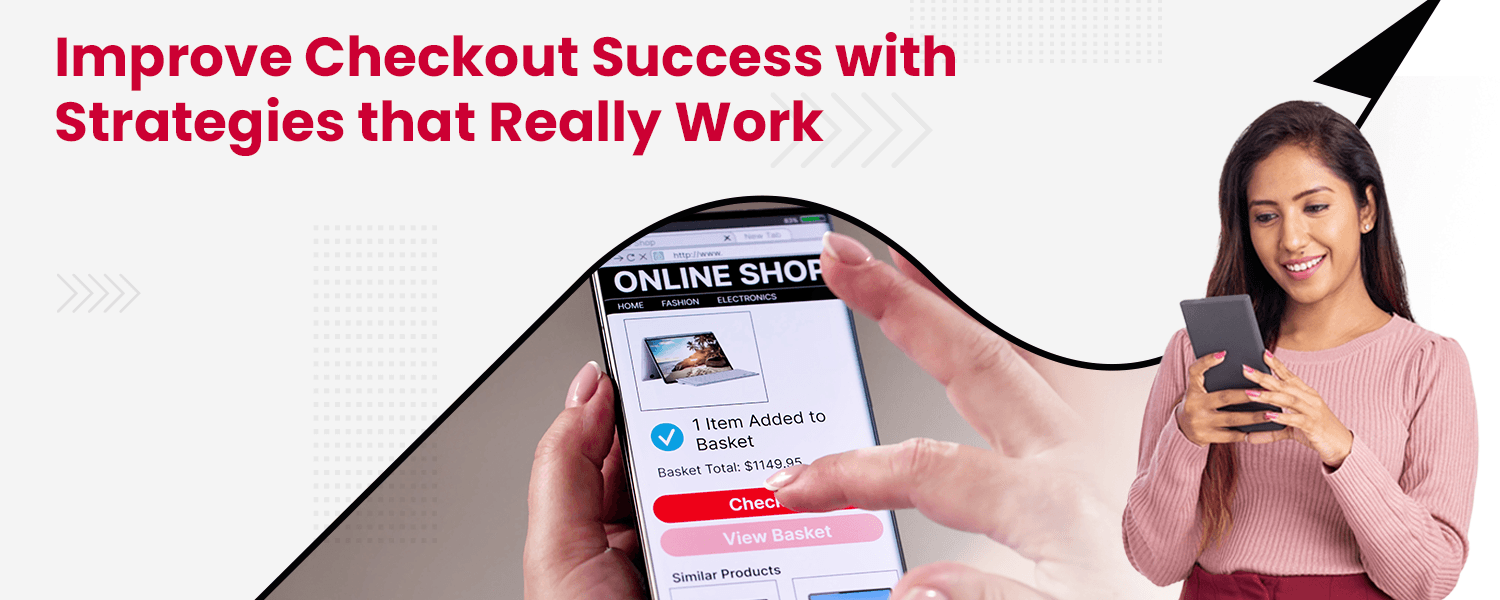
Ever wondered why your sales dip even when your traffic looks good? One of the biggest reasons is not your products or pricing, but your checkout experience. A slow or clunky checkout frustrates buyers and leads to high cart abandonment, which directly hurts your conversion rates.
Did you know that about 22% of shoppers abandon their carts because of a slow checkout process? That’s a lot of potential revenue slipping away simply because of checkout inefficiencies.
This brings us to an important question.
Checkout is the final stage of an online shopping experience where customers review their cart, enter payment details, and confirm their purchase. It typically includes:
A lot happens in these few steps, and each step makes or breaks the purchase.
A seamless checkout process is the difference between winning a loyal customer and losing them to a competitor. Here’s why it’s so critical:
Reduces Cart Abandonment: The fewer clicks and distractions, the higher the chance of order completion.
Boosts Conversion Rates: A fast and intuitive online checkout ensures more transactions go through.
Enhances Customer Experience: Smooth navigation builds trust and satisfaction.
Increases Revenue: A well-optimized flow reduces drop-offs and keeps sales consistent.
Supports Payment Preferences: Offering multiple payment integrations makes it easier for buyers to choose how they want to pay.
In fact, the healthiest online businesses today focus on eCommerce checkout as much as on marketing because that’s where the buyer finally says “yes.”
A smooth checkout does more than complete a transaction; it directly shapes how many shoppers actually finish their purchase. Every step that feels effortless adds up to fewer drop-offs and more trust, ultimately leading to higher conversions. Let’s explore how an optimized checkout experience becomes a powerful driver of sales growth.
Long forms, hidden charges, or forcing account creation—these are instant deal-breakers. Streamlined checkout flows that allow guest checkout or address auto-fill with high accuracy make the experience friction-free, which directly lowers drop-offs.
Speed is everything. Modern systems allow customers to complete their purchase in as little as two to three minutes with pre-filled details and stored payment options. Features like one-click checkout and responsive page loading make shoppers less likely to abandon midway.
Trust matters more than design. Displaying SSL certificates, security badges, and clear refund policies makes buyers feel secure. Many brands also add customizable rules, such as managing high-risk COD orders by location or customer type, to reduce fraud while keeping genuine buyers happy.
Every buyer pays differently. From credit cards and UPI to wallets and COD, supporting diverse payment integrations like Razorpay, PhonePe, or Easebuzz ensures no buyer leaves simply because their preferred option wasn’t available.
Mobile dominates online shopping, yet over 85% of mobile carts are abandoned. A mobile-optimized checkout with large buttons, pre-filled fields, and fast load speeds ensures customers don’t feel like they’re wrestling with the process.
Almost 48% of shoppers abandon carts due to unexpected charges. Transparent pricing with upfront taxes, shipping costs, or COD fees keeps buyers confident about what they’re paying. Some platforms even allow sellers to control whether COD is available for certain products, locations, or customer profiles to reduce RTOs.
The best checkouts are uncluttered. Progress bars, clear CTAs, and distraction-free layouts make it easy for buyers to complete purchases. Custom branding options like logos and colors also give a familiar touch that reinforces trust.
Here are the most effective practices that can transform your customers’ checkout experience:
Smooth navigation keeps customers moving forward by removing unnecessary friction. Ensure your website has clear menus, strategically placed buttons, and an intuitive layout, guiding buyers effortlessly to checkout without confusion.
Keep forms short and ask only for essentials. Options like social logins save time and reduce the risk of buyers dropping off midway.
Make sure your checkout loads fast and adapts perfectly to all screen sizes. A responsive design isn’t optional anymore; it’s essential.
Reassure buyers with visible security signals. Secure payment gateways, encryption, and reviews build the confidence buyers need to complete transactions.
Cater to every shopper by integrating all major payment modes. Supporting everything from UPI to wallets gives buyers the freedom to pay their way.
Be upfront about costs. If you’re adding shipping or COD fees, display them early in the process. Shoppers value honesty and reward it with trust.
Not every buyer wants to sign up. A guest checkout ensures new customers can place orders in seconds, which helps in faster conversions.
Incentives like free delivery or “amount-off” discounts create urgency. A built-in discount engine that applies codes automatically at checkout can seal the deal.
Place your return and refund terms prominently. When buyers know they can change their minds easily, they’re more confident about completing purchases.
Re-engage customers with abandoned cart emails, SMS, or push notifications. Personalized offers, based on what they left behind, can pull them back in.
Today’s buyers expect more than just a fast checkout. They want one that:
These aren’t extras anymore—they are what set successful eCommerce brands apart.
Your checkout is where sales are won or lost. By simplifying navigation, securing payments, offering diverse options, and personalizing the buyer journey, you can turn checkout from a weak spot into your biggest conversion driver.
Consistency is the key. Start by implementing small tweaks, then scale with advanced capabilities like pre-fill, custom rules, or campaign tracking. These changes not only reduce abandonment rates but also keep your conversions climbing steadily.