9 Facts About Ecommerce Fulfillment Services
If you think that starting an e-commerce business is easy, you are taking it wrong. No doubt, you don’t require land for […]
 Exciting Offer: ₹600 FREE Shipping Credits on 1st Recharge of ₹1000. Code: FLAT600 *T&C ApplyView More Offers WELCOME BONUS: Enjoy FREE Inventory Storage for 15 Days. *T&C ApplyGet Started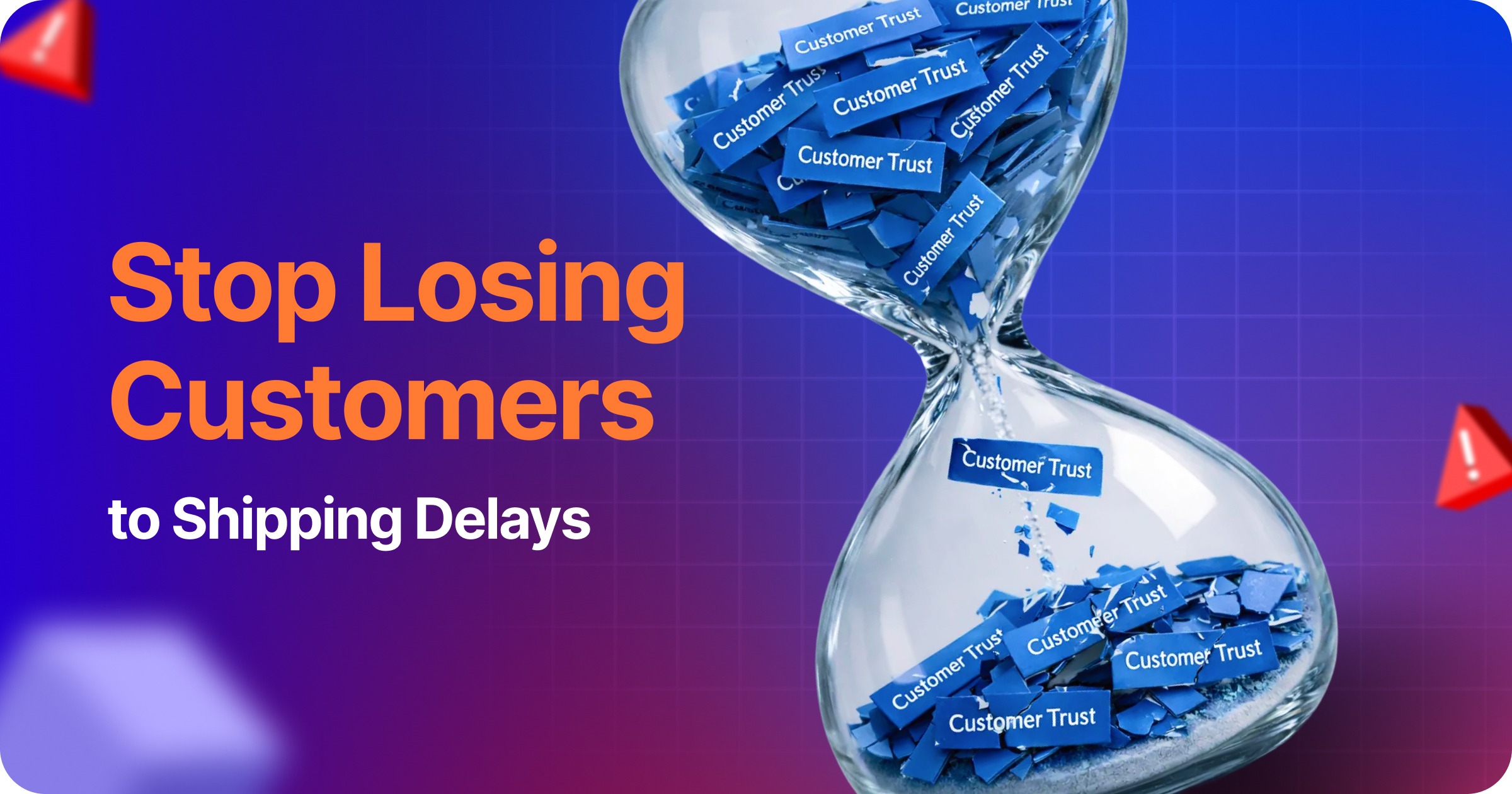
There was a time when fast delivery felt like a premium feature. It set certain brands apart. Customers were willing to wait a few extra days if the product was good and the price felt fair.
That time has passed. In today’s eCommerce environment, delivery speed is no longer an added benefit. It is part of the overall product experience.
The shift is visible in the data. Sifted’s 2025 Consumer Survey found that 37% of shoppers say fast delivery is what they value most when buying online. Even more telling, 76% said a positive delivery experience influences whether they buy again from a brand, up from 72% the year before. Delivery is no longer just about convenience. It directly affects retention.
The impact is rarely dramatic. Most customers do not complain loudly. They do not escalate. They simply adjust. They choose a competitor next time. They hesitate before paying upfront. They stop recommending the brand.
As competition increases and switching costs drop, delivery speed now influences satisfaction just as much as pricing or product quality. What many brands still treat as an operational variable has become a loyalty driver.
This article looks at what slow shipping really means in today’s market, how delays shape customer perception, and why choosing cheap, slow shipping often ends up costing more than it saves.
Delivery expectations have reset, and they are unlikely to return to earlier standards. Today, same-day and next-day deliveries are common across large marketplaces, quick commerce platforms, and leading D2C brands. Even when customers are not demanding instant delivery, they expect clarity, predictability, and consistency.
Many shifts define the current landscape.
Current shipping delays are not judged on their own. They are judged against what the market has made normal.
Slow shipping is not just about how many days a package spends in transit. It is about the gap between what the customer expected and what actually happened.
A 5-day delivery can feel completely acceptable if that timeline was clearly communicated and updates arrive as promised. A 3-day delivery can feel frustrating if the customer expects two days and sees no movement or explanation. The feeling of slowness is shaped less by the calendar and more by confidence.
At its core, slow shipping begins when the experience loses momentum. It often starts with delayed dispatch after order confirmation, when customers assume processing is immediate but fulfillment moves slowly behind the scenes. It shows up in inconsistent transit times, where similar orders arrive on different days without clarity.
It grows during long gaps in tracking updates, when shipments seem stuck, and uncertainty replaces reassurance. It becomes more visible during peak seasons, when delays multiply, and last-mile issues increase. And it is amplified when communication around problems is reactive or vague.
There is also an important difference between cheap, slow shipping and thoughtful cost control.
Choosing a lower-cost courier option is not automatically wrong. Many brands need to protect margins. The issue arises when slower services create hidden costs, such as more support tickets, higher cancellation rates, additional refunds, and fewer repeat purchases. What looked like savings on a rate card can turn into quiet losses across retention and customer trust.
Slow shipping, then, is rarely just about speed. It is about whether the delivery journey feels reliable, transparent, and aligned with the promise made at checkout. When that alignment breaks, dissatisfaction begins. Often quietly. Rarely without consequence.
Fix it at the source: Fulfill orders faster with the right partner
Customer satisfaction is rarely shaped by one big moment. It is shaped by small points of friction. Delivery is one of the most emotionally charged parts of the buying journey.
Here is how slow shipping quietly reshapes satisfaction.
The time between dispatch and delivery is filled with anticipation. Customers track their orders. They look for updates. They want reassurance that everything is moving as expected.
Customers check the tracking page again and again. Support queries increase. A quiet worry sets in about whether the package will arrive at all. Even if the order reaches safely in the end, the experience has already changed. The friction is remembered longer than the delay.
Customers do not judge value based only on the product. They judge the entire experience.
When shipping feels slow or unclear, the product feels less premium. The brand feels less reliable. The price becomes harder to justify.
A product delivered smoothly and on time feels worth what was paid. The same product delivered late, with poor communication, feels overpriced, even if the item itself is unchanged. Delivery speed shapes perceived value more than most brands realize.
“Where is my order?” tickets rise. Refund requests increase. Cancellations become more common. Teams spend time chasing courier updates and calming customers instead of improving processes.
Over time, this reactive work drains productivity and adds hidden costs across support, operations, and finance.
When delivery timelines are missed repeatedly, customers begin to question more than just shipping.
They hesitate before trusting product claims. They doubt return assurances. They become skeptical about restock dates and launch announcements.
Slow shipping does more than delay a parcel. It weakens credibility. And once trust begins to slip, rebuilding it costs far more than preventing the delay in the first place.
Customer satisfaction affects the current order. Loyalty decides whether there will be another one.
Slow shipping weakens loyalty because the damage builds gradually and often goes unnoticed at first.
Most customers do not complain loudly when they experience delivery delays. They simply adjust.
The next time they need a similar product, they try another brand. If that brand delivers faster or more reliably, the switch sticks. Loyalty rarely breaks through confrontation. It fades through comparison.
After a delayed delivery, customers become more cautious. They prefer cash on delivery. They hesitate before prepaying for new launches. They think twice before placing higher-value orders.
At first glance, this shift seems minor. At scale, it affects cash flow, working capital cycles, and overall conversion rates. Trust in delivery reliability directly shapes the willingness to pay upfront.
Even a small drop in repeat purchase frequency adds up over time. If a customer buys four times a year instead of six, or once instead of three, the long-term revenue impact is meaningful. These patterns rarely show up labeled as shipping issues.
They appear as weaker retention curves and softer cohort performance. Often, experiencing friction is the root cause is experience friction. Slow shipping is a common trigger.
Customers actively recommend brands that exceed expectations. They rarely recommend brands that are just average and slow.
Reliable delivery creates positive moments. Repeated delays remove that emotional high point. In competitive categories, loyalty is built on dependability as much as product quality. When shipping feels unpredictable, advocacy declines.
Over time, slow shipping does not just affect individual transactions. It narrows the brand’s growth engine by quietly reducing trust, repeat behavior, and recommendations.
Many businesses treat shipping delays as one-off courier failures. In reality, slow shipping is usually a system issue.
Delays often begin with inventory stored far from demand clusters. They grow when dispatch discipline inside warehouses is inconsistent. They worsen when courier selection is based on habit instead of data.
Limited performance tracking and poor visibility across regions only add to the problem. Each issue may seem small on its own. Together, they create unreliable delivery timelines.
When inventory is misaligned, even a dependable courier cannot fix the delay. When dispatch processes are inconsistent, transit times become unpredictable. When courier allocation is not data-driven, service quality varies across regions and seasons.
Delivery speed is not just a courier metric. It reflects how well the entire shipping system is designed and managed.
Brands that treat shipping as infrastructure, not as a task that happens after checkout, gain more control over performance. Centralized visibility, smarter courier allocation, and real time tracking make it easier to identify and fix slow shipping before customers feel the impact.
At NimbusPost, this system-first approach shapes how shipping is structured. The aim is not just to move parcels, but to give brands the visibility and control they need to prevent delays rather than react to them.
Slow shipping rarely explodes into public outrage. It creates something quieter and more damaging. Distance. Excitement fades. Trust softens. Repeat purchases slow. Loyalty weakens gradually, often without any clear signal.
In today’s market, shipping is not just about moving parcels. It is about protecting perception at one of the most emotional points in the buying journey. Delivery is where promises are tested.
Brands that prioritize speed, transparency, and reliability strengthen trust with every order. Brands that treat shipping as an afterthought may still generate sales, but they struggle to build lasting loyalty.
Shipping usually becomes slow due to delayed dispatch, poor inventory positioning, courier congestion, peak season overload, or inefficient carrier selection. In most cases, it is not a single breakdown. It is friction across multiple stages, from order processing to last-mile delivery.
Brands should be proactive, specific, and transparent. Acknowledge the delay early, explain the reason clearly, share a revised delivery timeline, and continue providing updates.
Shipping delays can stem from warehouse dispatch gaps, courier network congestion, customs clearance issues, incorrect addresses, weather disruptions, or sudden demand spikes. Most delays reflect weaknesses in system coordination rather than isolated courier mistakes.